Source Cross Shaped Pipe Reducer with Sealant for Oil, Gas, and Chemical Plants
Find a cross shaped pipe reducer with sealant for industrial piping systems. Compare 30 listings featuring carbon steel and stainless steel options in various sizes and standards to meet your project requirements; compare the available evidence and request quotations based on your requirements.
Key considerations
Products List




Comprehensive Sourcing Guide
Cross Shaped Pipe Reducer with Sealant Sourcing Guide
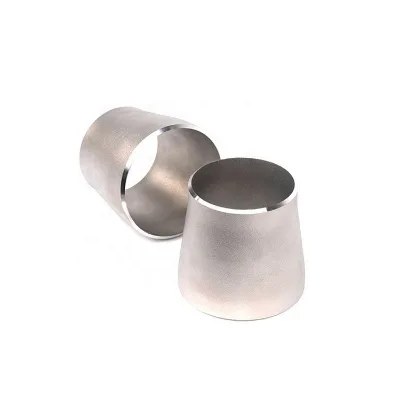
Procuring cross-shaped pipe reducers with integrated sealant requires careful alignment between component geometry and sealing requirements. The observed market data indicates a diverse range of available products, including concentric and eccentric reducers made from carbon steel, cast steel, and stainless steel. Buyers must distinguish between standard fittings and those specifically engineered for high-strength or wear-resistant applications, as the material selection directly impacts the integrity of the sealant interface.
The supply chain for these specialized fittings often originates from major manufacturing hubs in China, with specific regions like Shandong and Cangzhou noted for production capabilities. While some listings suggest customization options for dimensions ranging from 1/2 inch to 48 inches, others indicate larger capacities up to 144 inches. Sourcing strategies should prioritize verifying the specific manufacturing technique, such as casting or cold pressing, to ensure the reducer can withstand the pressure and thermal conditions associated with the intended sealant application.
Product Scope and Observed Listing Signals
Market listings reveal a significant variation in product specifications, with some items described as butter weld pipe fittings while others are explicitly labeled as reducers. The observed price range spans from $0.19 to $11,000, reflecting differences in material grade, size, and the complexity of the sealing mechanism. Buyers should scrutinize the "Special Use" attributes, which include categories like silicon steel and free cutting steel, to ensure the selected reducer matches the chemical and mechanical demands of the pipeline system.
Surface treatment and packaging methods also vary widely across suppliers, with options including color coating, painting, and hot galvanization. The packaging is frequently listed as bundles, wooden cases, or pallets, which influences logistics planning and on-site handling procedures. When evaluating listings, it is critical to confirm whether the sealant is an integral part of the product or a separate component, as the "Cross Shaped" geometry implies a specific flow configuration that may require unique sealing solutions not found in standard straight reducers.
Technical Specifications to Verify
Technical verification must begin with the nominal size and schedule, as observed data includes ranges from Sch5s to Sch160s and sizes spanning DN150 to DN1800. The connection type is predominantly weld, but the specific head code, such as round heads, and the technique, whether casting or hot rolled, dictate the structural integrity of the cross-shaped junction. Buyers should request detailed dimensional drawings to confirm that the eccentric or concentric design aligns with the pipeline elevation requirements, especially when sealant is involved to prevent leakage at the junction.
Material composition is another critical technical parameter, with carbon steel, cast steel, and stainless steel all appearing in the market data. The presence of standards like ASTM, API, and ISO suggests that compliance is a baseline expectation, yet the specific grade must be matched to the operating environment. For applications involving sealants, the surface finish and coating, such as black paint or hot galvanization, must be compatible with the sealing material to prevent chemical degradation or adhesion failure over the service life of the fitting.
Compliance and Safety Documentation
Compliance verification should focus on the stated standards, which include US Standard, UK Standard, and various GB/T specifications like GB/T13401 and GB/T12459. These documents often outline the technical requirements for casting and manufacturing processes, ensuring that the reducer meets the necessary safety margins for high-pressure applications. Buyers must ensure that the supplier provides test reports or certificates confirming that the product adheres to these specific standards, particularly when the fitting is used in critical sectors like petroleum, chemical, or boiler industries.
Safety documentation also extends to the sealant compatibility and the overall system integrity. While some listings mention certifications like CE, the primary focus should remain on the technical standards governing the steel and the welding process. It is essential to verify that the manufacturing origin, whether from Shandong or Cangzhou, adheres to international safety protocols. Procurement teams should request material test certificates (MTCs) that detail the chemical composition and mechanical properties to validate that the reducer will perform safely under the expected load and thermal conditions.
Cost Drivers and Commercial Terms
Cost drivers for cross-shaped pipe reducers with sealant are heavily influenced by material type, size, and the complexity of the manufacturing technique. The observed MOQ ranges from 1 to 5000 units, indicating that smaller orders may incur higher per-unit costs due to setup and handling fees. Buyers should analyze the trade-off between standard sizes and custom dimensions, as the latter often requires specialized tooling and longer lead times, which can significantly impact the total landed cost of the project.
Commercial terms must clearly define the scope of the sealant inclusion, as some listings offer customized packing while others provide standard bundles. The price range of $0.19 to $11,000 suggests that high-value items likely include complex sealing mechanisms or premium materials like stainless steel. Procurement negotiations should address payment terms, delivery schedules, and the handling of potential defects, ensuring that the supplier is accountable for the quality of both the fitting and the sealing interface.
Supplier Qualification and Quality Control
Supplier qualification requires a thorough review of their manufacturing capabilities, specifically their experience with casting and cold pressing techniques. The market data highlights suppliers in China with specific origins, but buyers must verify their quality control systems to ensure consistency in product dimensions and material properties. It is advisable to request samples or third-party inspection reports to confirm that the reducers meet the specified standards and that the sealant application is uniform and defect-free.
Quality control processes should also encompass the verification of surface treatments and packaging integrity. Since products are often shipped in wooden cases or on pallets, the supplier must demonstrate that the packaging prevents damage during transit, which is crucial for maintaining the precision of the cross-shaped geometry. Buyers should establish clear acceptance criteria for visual inspections and dimensional checks, ensuring that the supplier has the capacity to handle non-customized and customized orders with equal rigor.
Long-Term Procurement Checks
Long-term procurement success depends on establishing a reliable supply chain that can consistently deliver high-quality reducers with integrated sealants. Buyers should monitor supplier performance metrics, such as on-time delivery and defect rates, to identify any potential issues before they impact project timelines. Regular audits of the supplier's manufacturing processes and quality control systems can help maintain high standards and ensure that the products continue to meet the evolving requirements of the pipeline system.
Sustainability and adaptability are also key factors for long-term partnerships. As industry standards evolve, suppliers must be able to adapt their production methods to meet new compliance requirements. Buyers should maintain open communication channels with suppliers to discuss future needs, potential design improvements, and any changes in material availability. By fostering a collaborative relationship, organizations can ensure a steady supply of reliable cross-shaped pipe reducers that support the longevity and safety of their infrastructure.
FAQs
What materials are used for cross shaped pipe reducers?
Cross shaped pipe reducers are typically manufactured from carbon steel, stainless steel, or cast steel. These materials provide the necessary durability and strength for industrial applications. The selection depends on the specific operating conditions and fluid compatibility required by the piping system design.
Can these reducers be customized for specific projects?
Yes, customization is available for many pipe fitting products. Buyers can request specific dimensions, wall thicknesses, or surface treatments like color coating or painting. This ensures the fittings meet precise engineering requirements and integrate seamlessly into complex industrial piping networks.
What standards govern the production of these fittings?
Production follows various international standards including ASTM, API, ISO, GB/T, and DIN. These standards ensure consistent quality, dimensional accuracy, and performance reliability. Adhering to recognized standards helps buyers verify compliance with local regulations and industry best practices for safety and durability.
How are these pipe reducers packaged for shipping?
Products are commonly packaged in bundles, wooden cases, or on pallets. This packaging protects the fittings from damage during transit and storage. Custom packaging requests are also accepted to meet specific logistical needs or to comply with destination country import regulations and handling requirements.
What surface treatments are applied to these reducers?
Surface treatments include painting, black painted finishes, hot galvanizing, and color coating. These treatments enhance corrosion resistance and extend the service life of the fittings. The choice of treatment depends on the installation environment, whether it is indoor, outdoor, or exposed to harsh chemicals.
What is the typical size range for these reducers?
Sizes generally range from 1/2 inch to 72 inches or larger, covering DN150 to DN1800. Specific models may extend up to 144 inches. This wide range allows for versatile applications in various pipeline diameters, ensuring compatibility with different flow rates and pressure requirements.